How can European regions make their forests more resilient to climate change, strengthen regional value creation and make better use of biogenic side streams? These questions were at the heart of a two-day study visit to Carinthia by a delegation from the Basque Country.
The exchange was organised and facilitated by the Timber Innovation Network Alpe Adria (TINAA) as part of the European BIO2REG programme. The programme connects regions seeking to align their economic development more closely with renewable resources, the circular economy and the bioeconomy.
The Holzcluster Steiermark also took part in the technical exchange together with Bioeconomy Austria and WoodPoP. The visit clearly demonstrated the importance of regional networks in bringing together knowledge, practical expertise and innovation across the forestry and wood value chain—across both regional and national borders.
Practice Meets Research
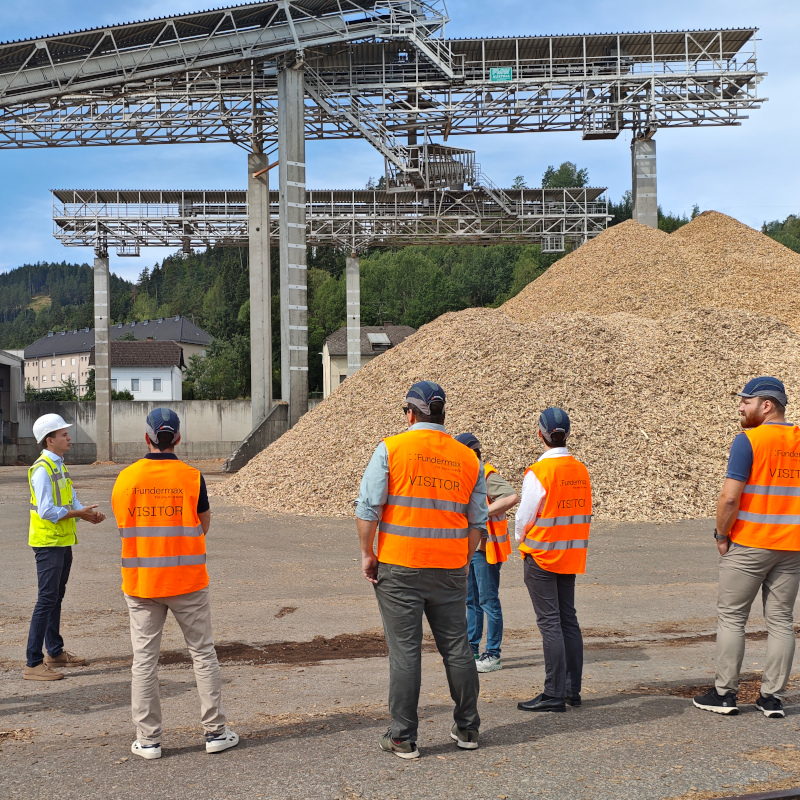
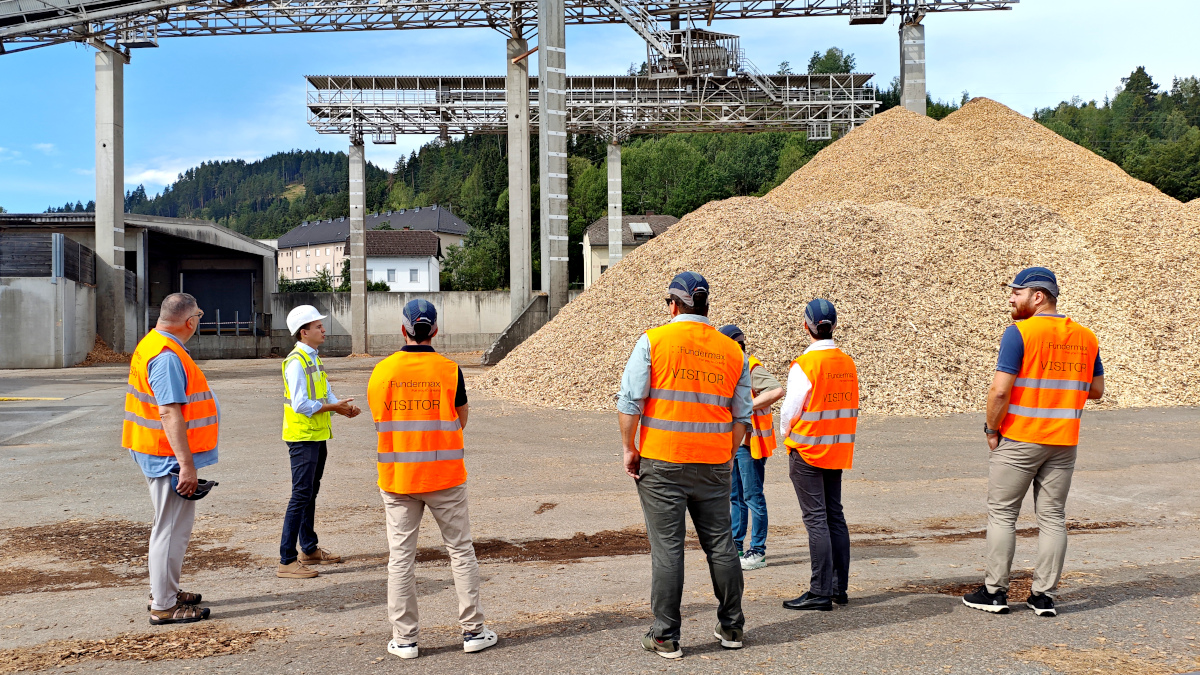
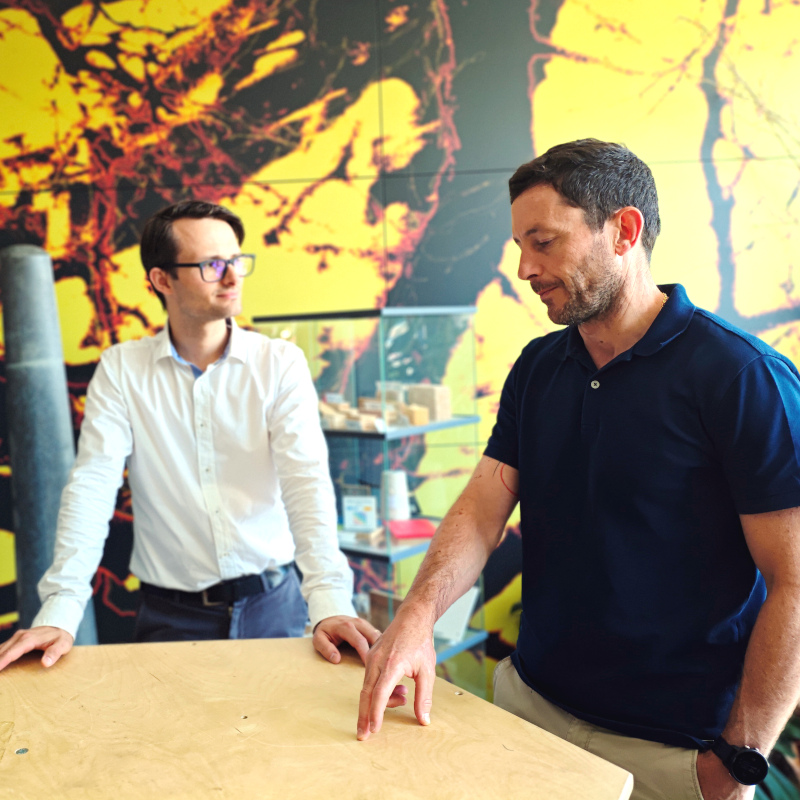
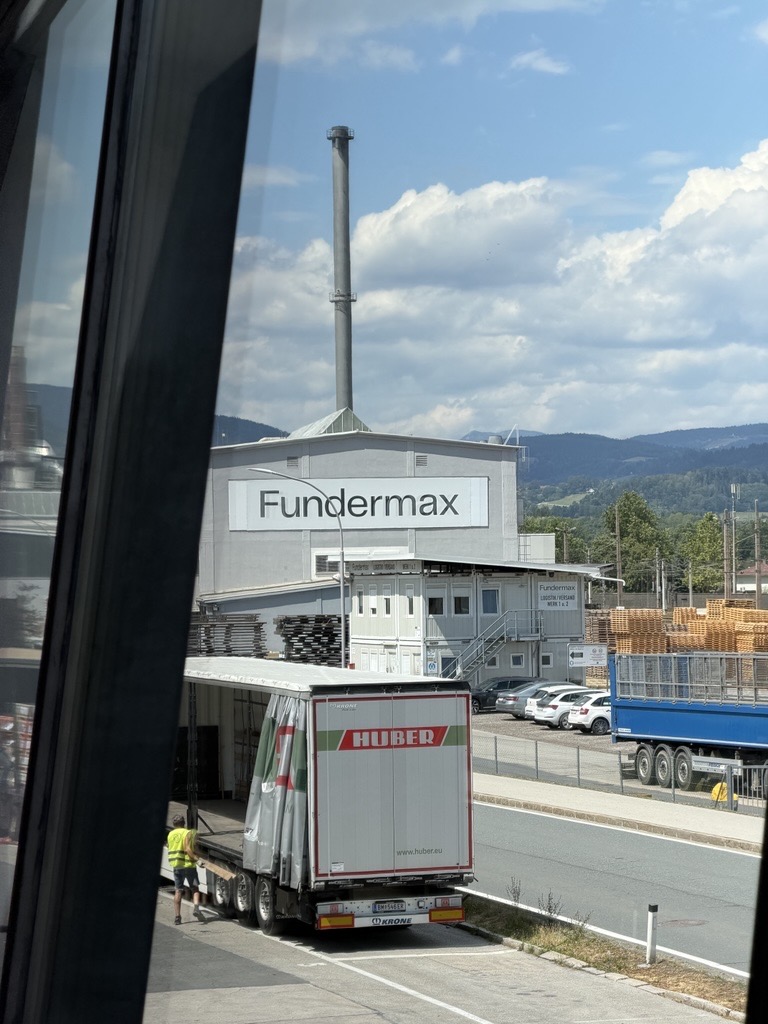
The programme included visits to the Ossiach Forestry Training Centre, the Carinthian Provincial Forestry Directorate, the Waldverband Kärnten, the Austrian Federal Forests, Waldaffe, Fundermax and the Wood K plus research centre.
Topics discussed included climate-resilient forests, collaborative forest management, regional timber marketing, the innovative valorisation of side streams and the development of new bio-based products.
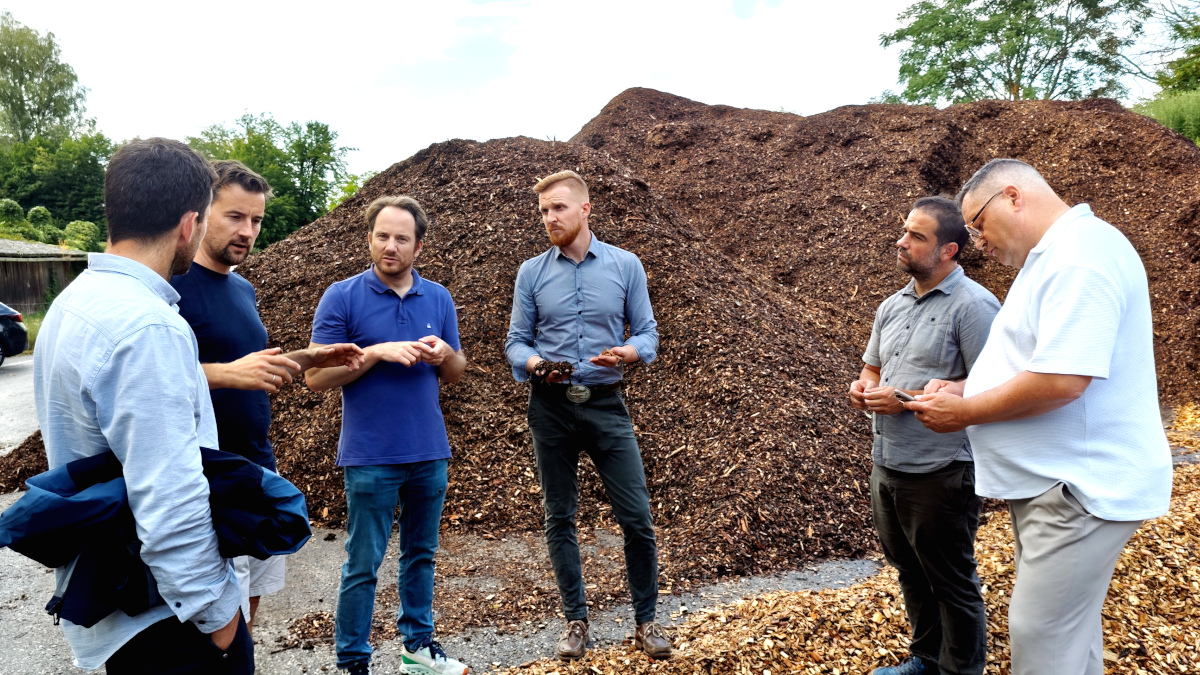
The focus on practical applications was particularly insightful: Waldaffe demonstrated how residues from wood processing can be used to produce new growing media. Fundermax and Wood K plus illustrated how industrial processing, research and materials innovation contribute to the further development of the bioeconomy.
Cooperation as a Key Success Factor
The exchange once again confirmed that the future of the bioeconomy is shaped where regions learn from one another, showcase existing expertise and create opportunities for new forms of cooperation.
The Alpine-Adriatic region and the wider European context offer numerous opportunities for collaboration—from sustainable forest management and wood-based innovation to the valorisation of biogenic side streams.
Participants included representatives of BIO2REG, Baskegur, TINAA, the Ossiach Forestry Training Centre, the Carinthian Provincial Forestry Directorate, the Carinthian Forest Owners’ Association, the Austrian Federal Forests, Waldaffe, Fundermax, Wood K plus, BABEG, WoodPoP, Bioeconomy Austria, the Styrian Wood Cluster and other European network and research partners.
More information can be found online:
© Bio2Reg
© Bio2Reg / (c) Holzcluster Steiermark