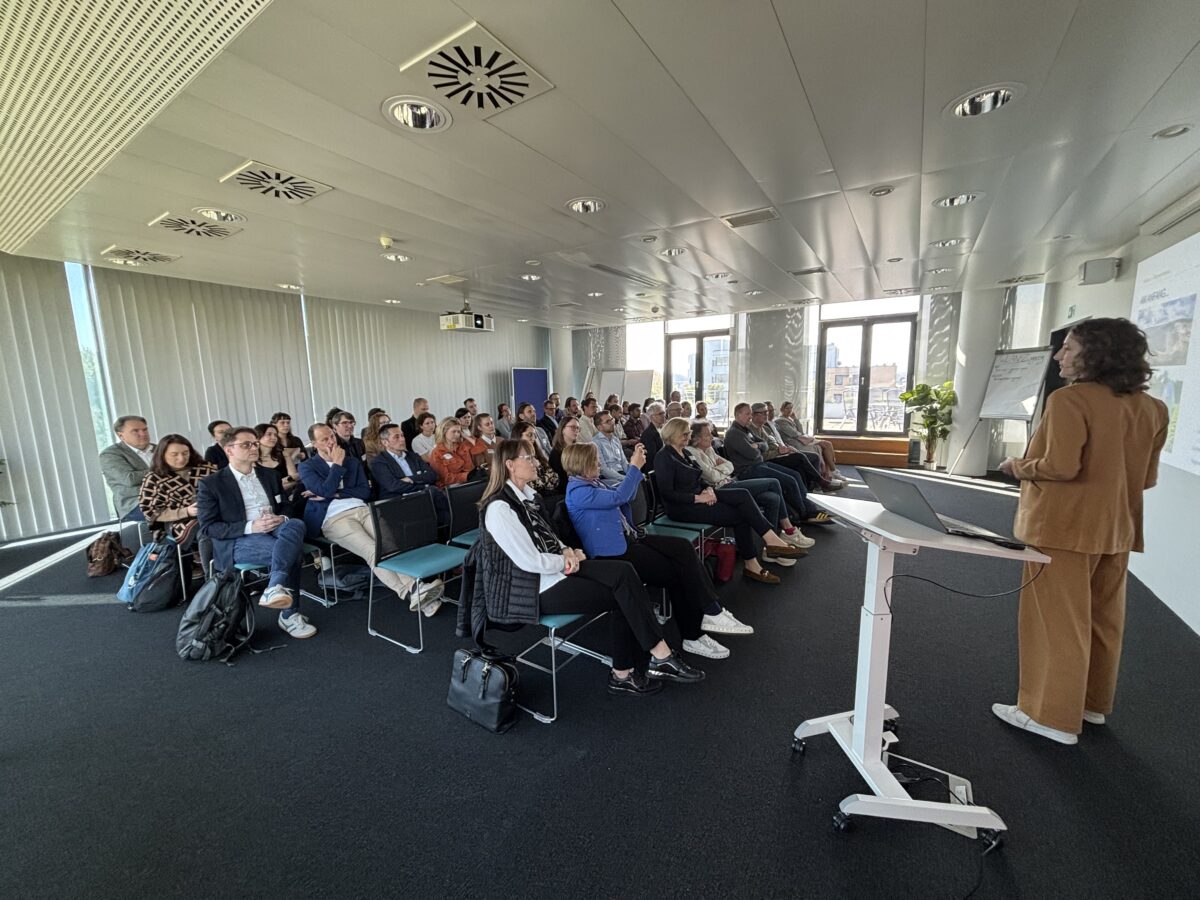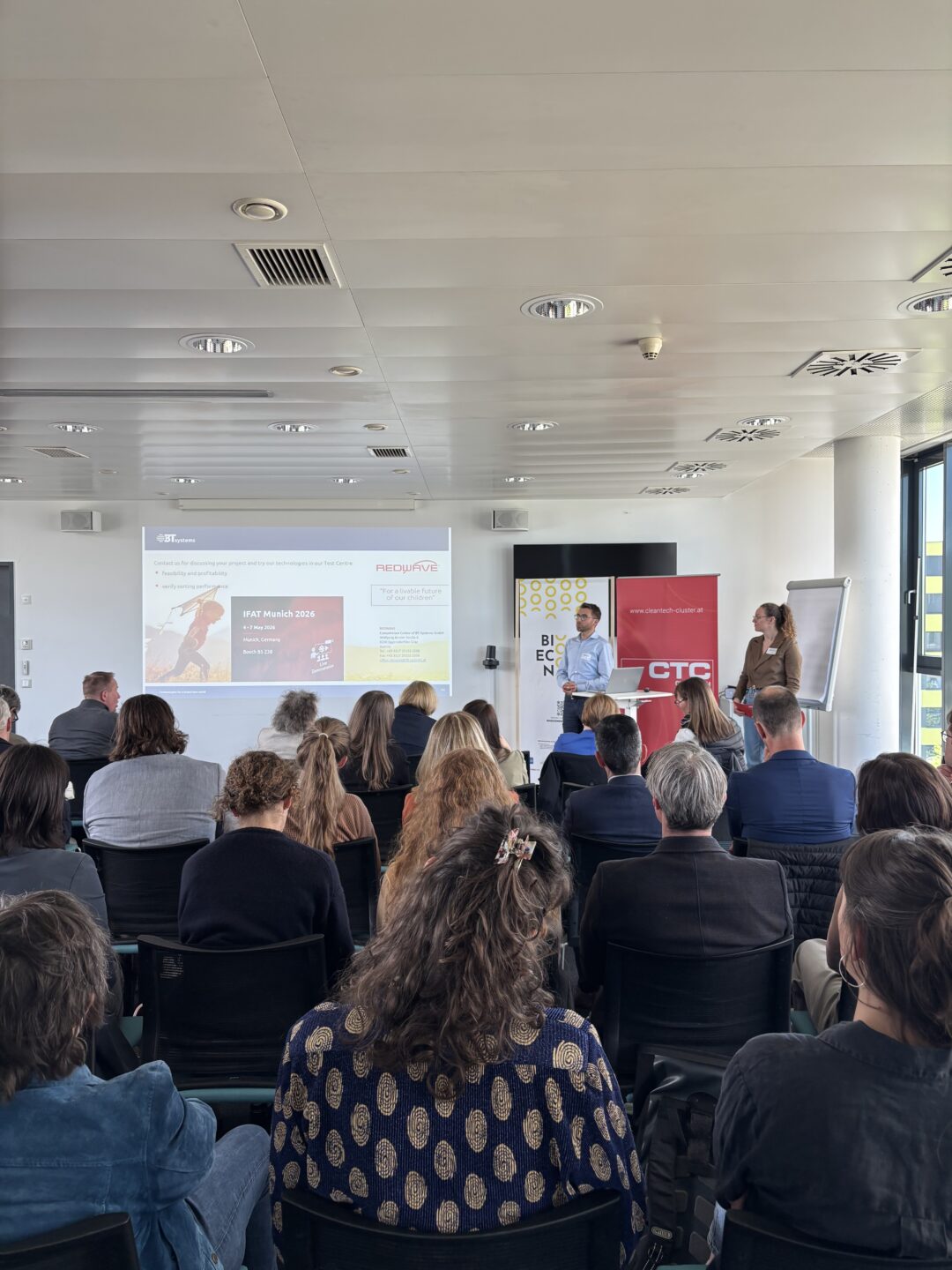
The transformation of the textile sector towards a functioning circular economy is gaining momentum – and above all, it requires cooperation. On 29 April 2026, around 60 representatives from business, research and policymaking gathered in Linz. Under the motto “Closing the Loop”, they discussed how a circular textile economy can be successfully implemented in practice. Rather than merely describing problems, the focus was on joint action and co-creation. In light of Austria’s early Earth Overshoot Day and growing volumes of waste driven by ultra-fast fashion, swift action is essential.
Regulatory Pressure and Technical Challenges
The legal framework is also becoming more stringent. Elisabeth Moser-Marzi highlighted key EU requirements: since 1 January 2025, the separate collection of textiles has been mandatory. By 2030, products are expected to be durable, repairable and recyclable. Extended Producer Responsibility (EPR) and the Digital Product Passport (DPP) will create additional obligations – but also serve as important enablers of a circular textile economy.
Practice shows that the path towards circularity is complex. The recycling process is hampered by varying material blends and sorting options that, while technically feasible, are not yet sufficiently robust, widely available or economically mature. At the same time, new solutions are emerging, including innovative marking technologies, sensor-based sorting and bio-based dyeing methods.
Best Practices Show That It Can Already Be Done
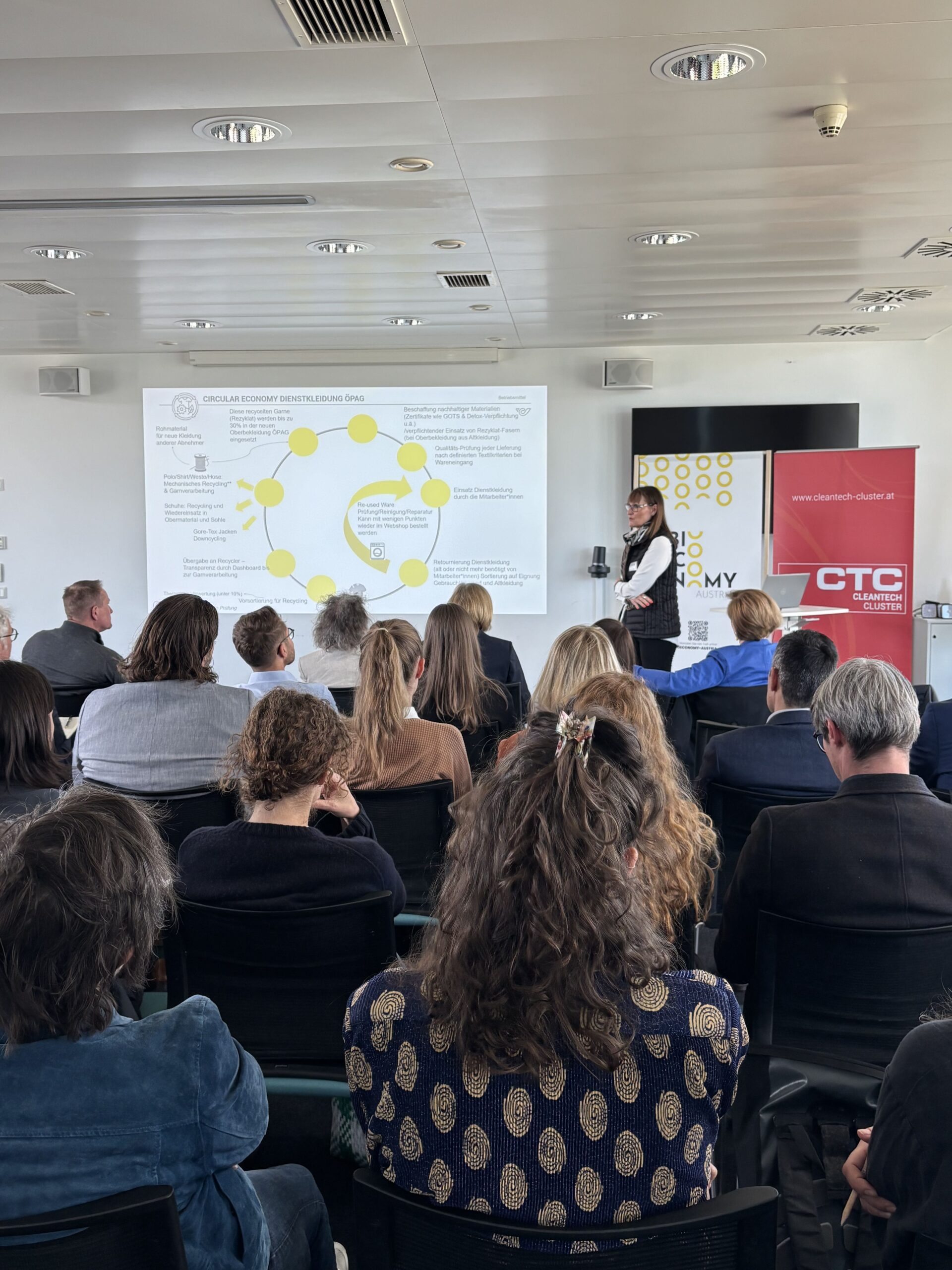
Companies such as Österreichische Post, carla Vorarlberg, BT-Systems and Vienna Textile Lab demonstrate that circular approaches can work in practice – for example through closed-loop systems for workwear, professional reuse sorting, the application of new technologies, or the use of natural dyes. While many of these solutions are still isolated initiatives, they provide important momentum and practical insights.
From Idea to Project: CTC Is Looking for Co-Creators
A central element of the event was a workshop that generated concrete project ideas – ranging from recycling hubs and educational initiatives to new material streams. This is precisely where the CTC, the Cleantech Cluster, comes in: it invites companies to actively participate, whether in circular design, the commercial use of recycled materials or the improvement of sorting processes.
“Anyone looking for solutions or already working on initial approaches should take the next step,” emphasises CTC Project Manager Michaela Streicher. Partners are being sought along the entire value chain in order to jointly address key barriers and develop practical solutions. Interested companies can contact Project Managers Michaela Streicher or Julia Weyermayr. The dialogue has shown that the ideas are already there – now it is time to put them into practice.