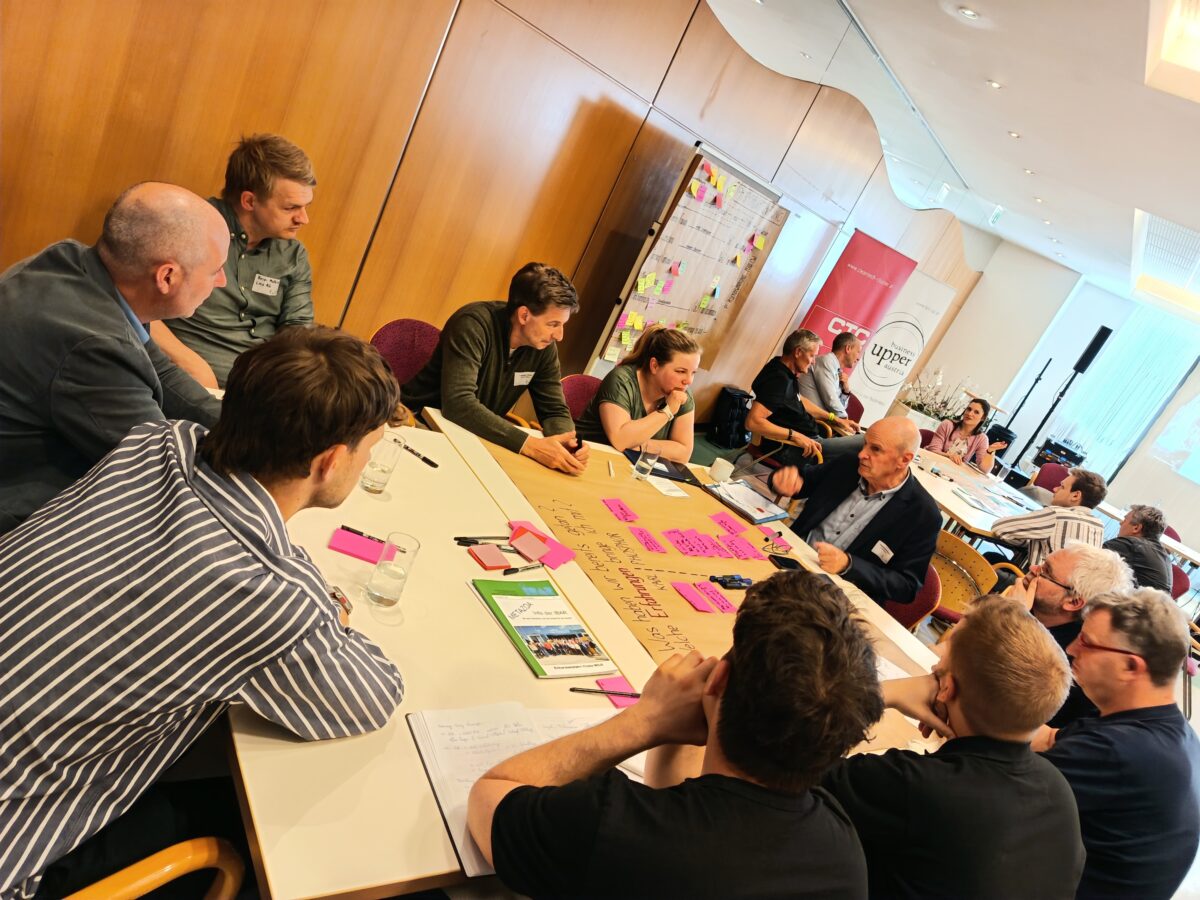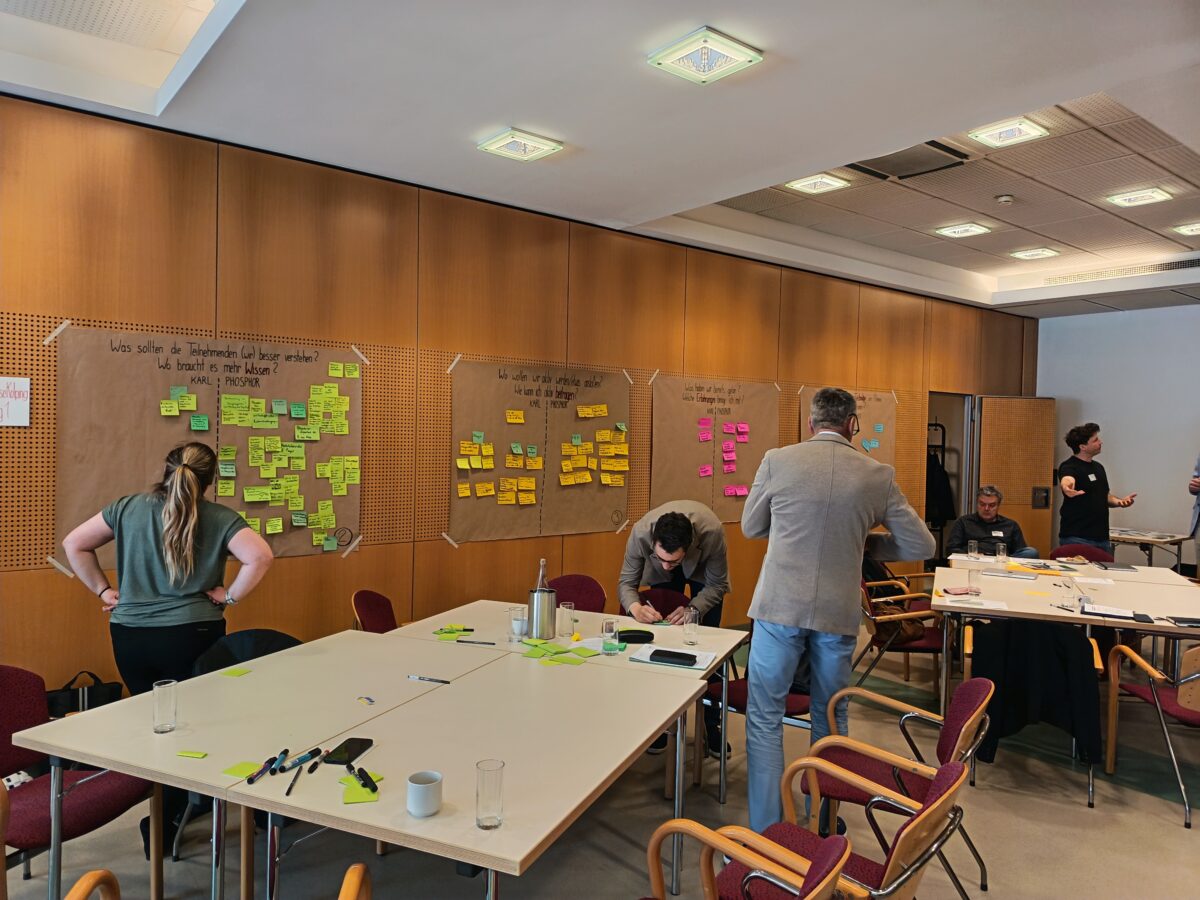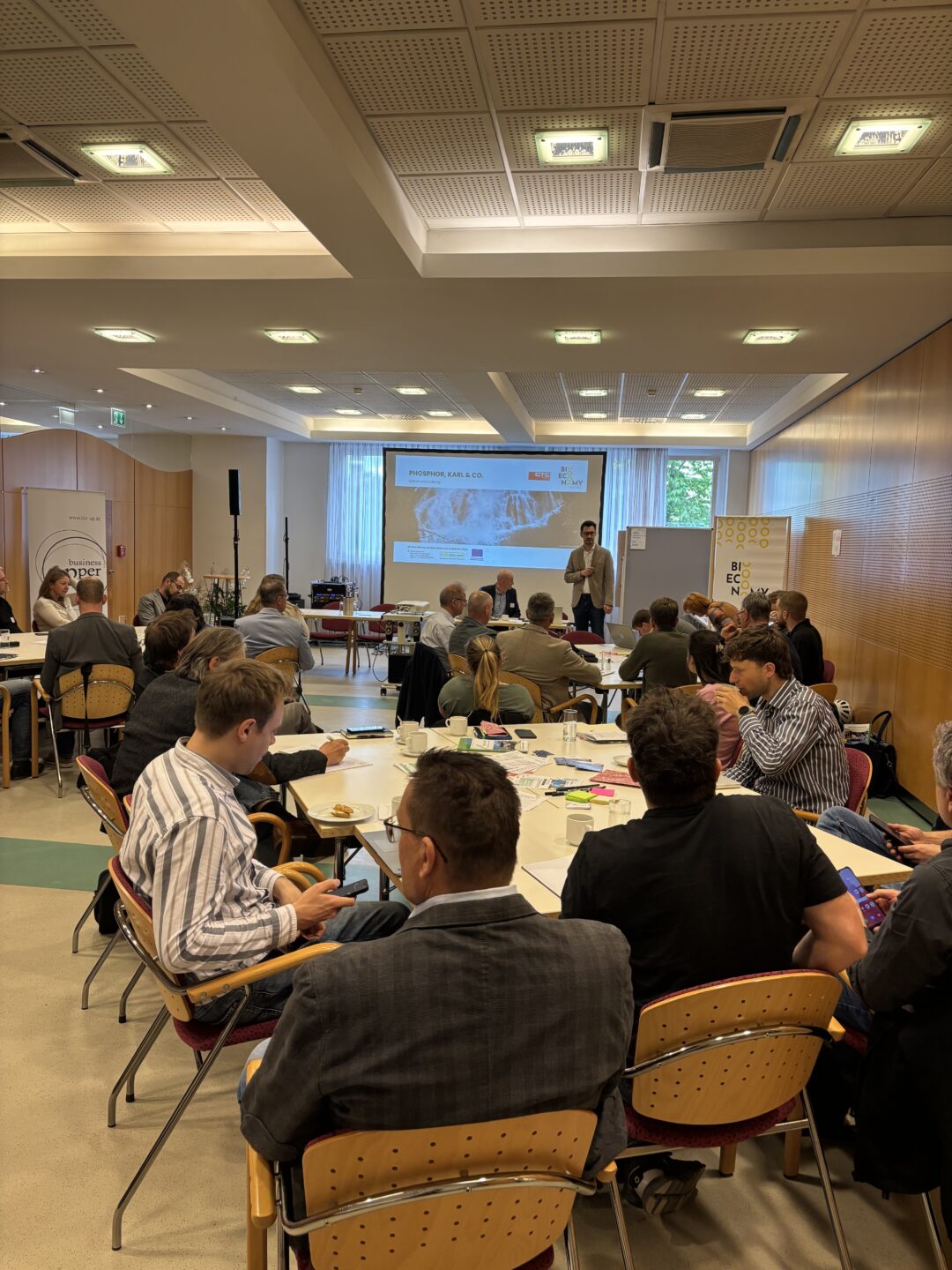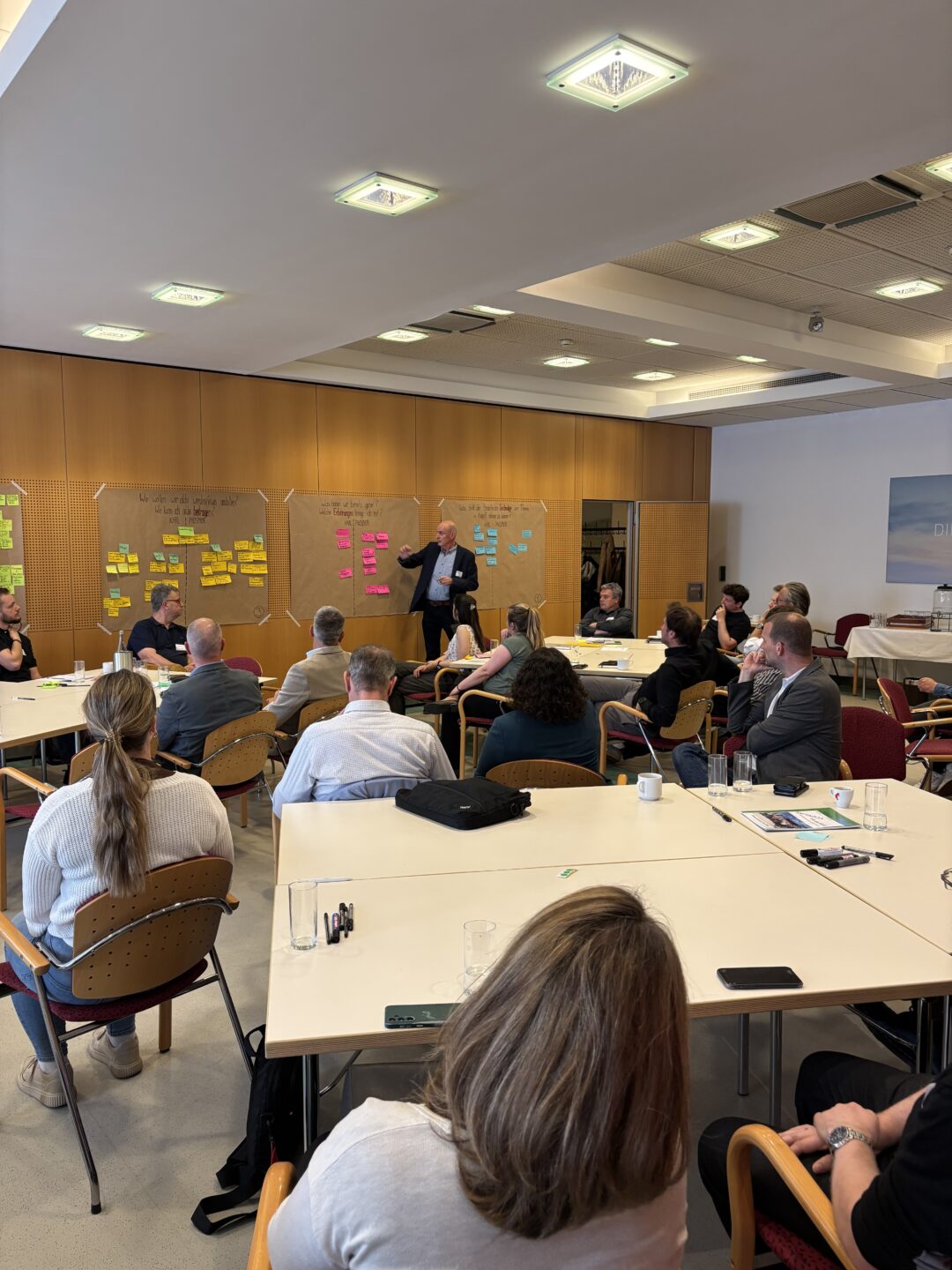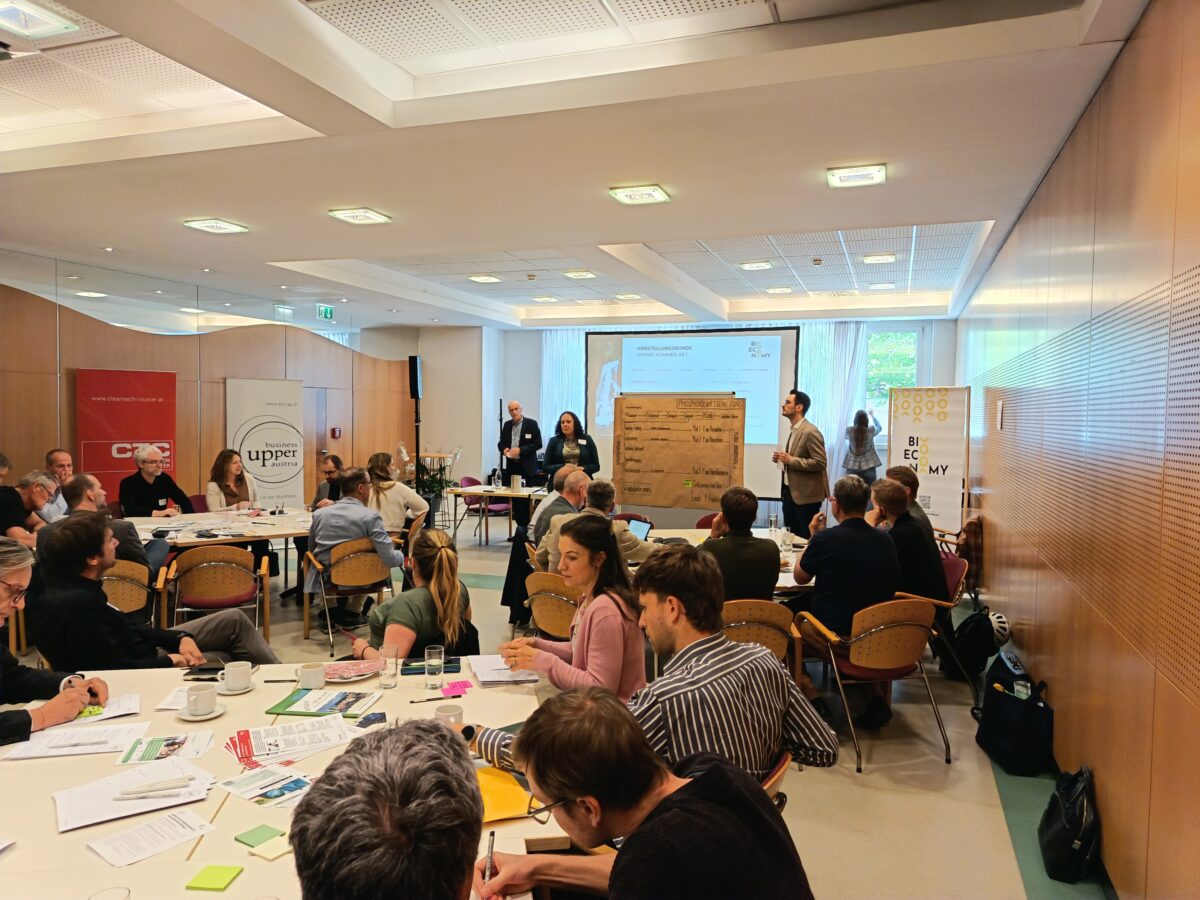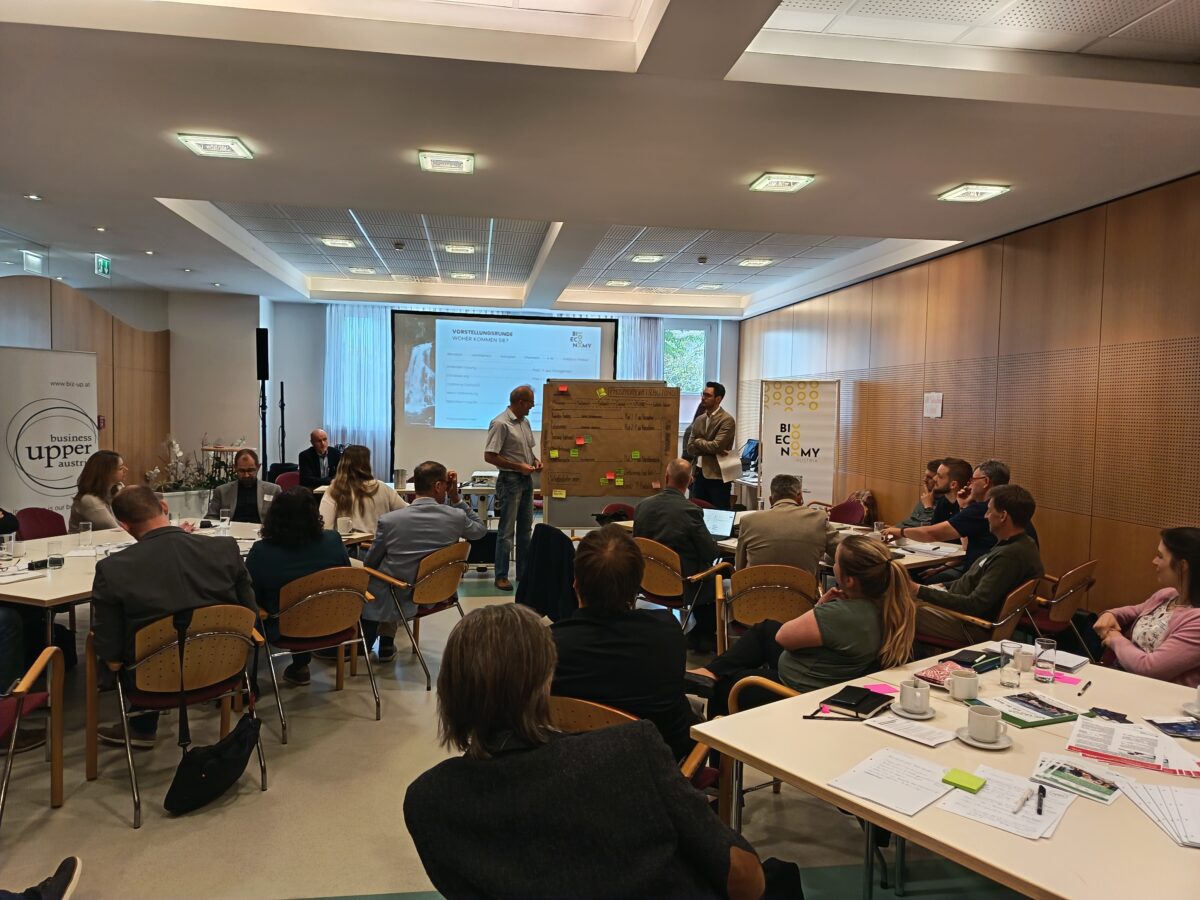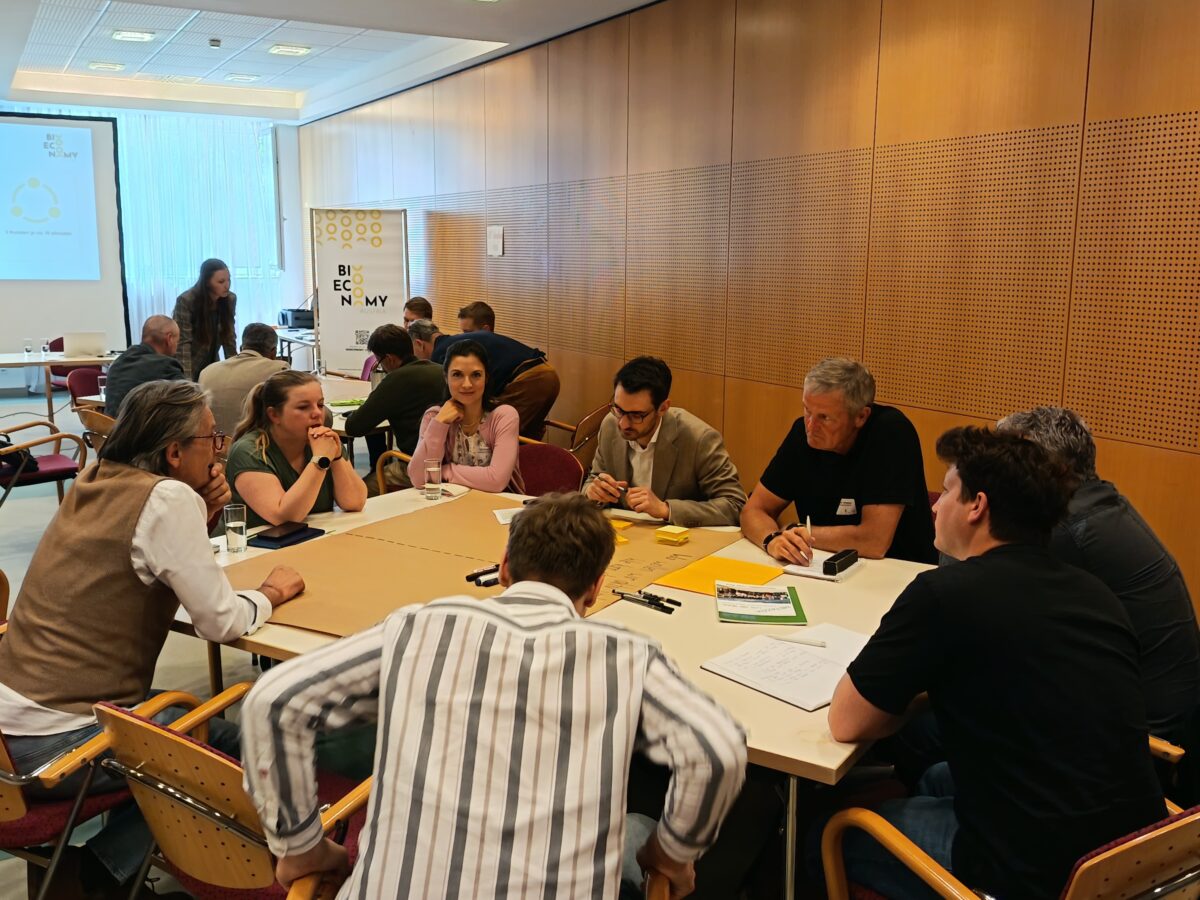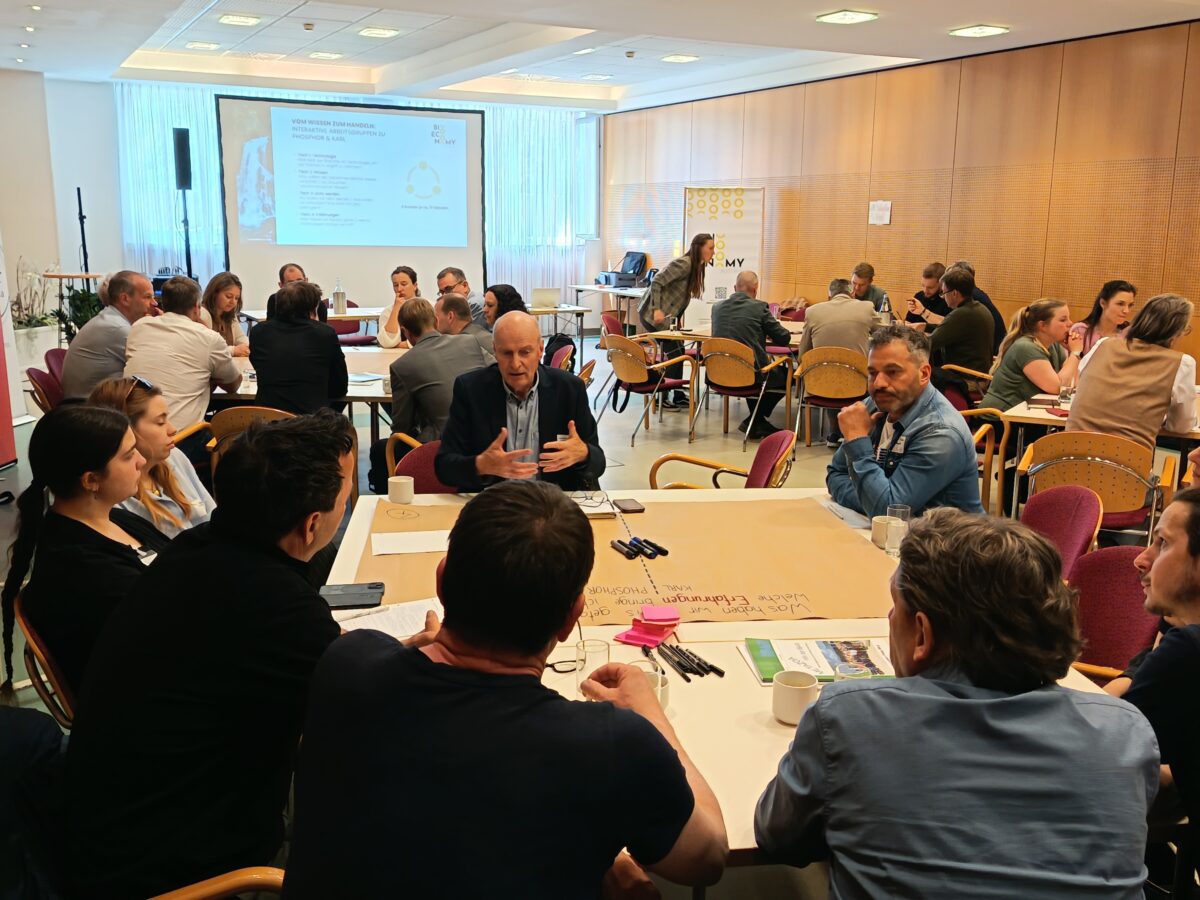
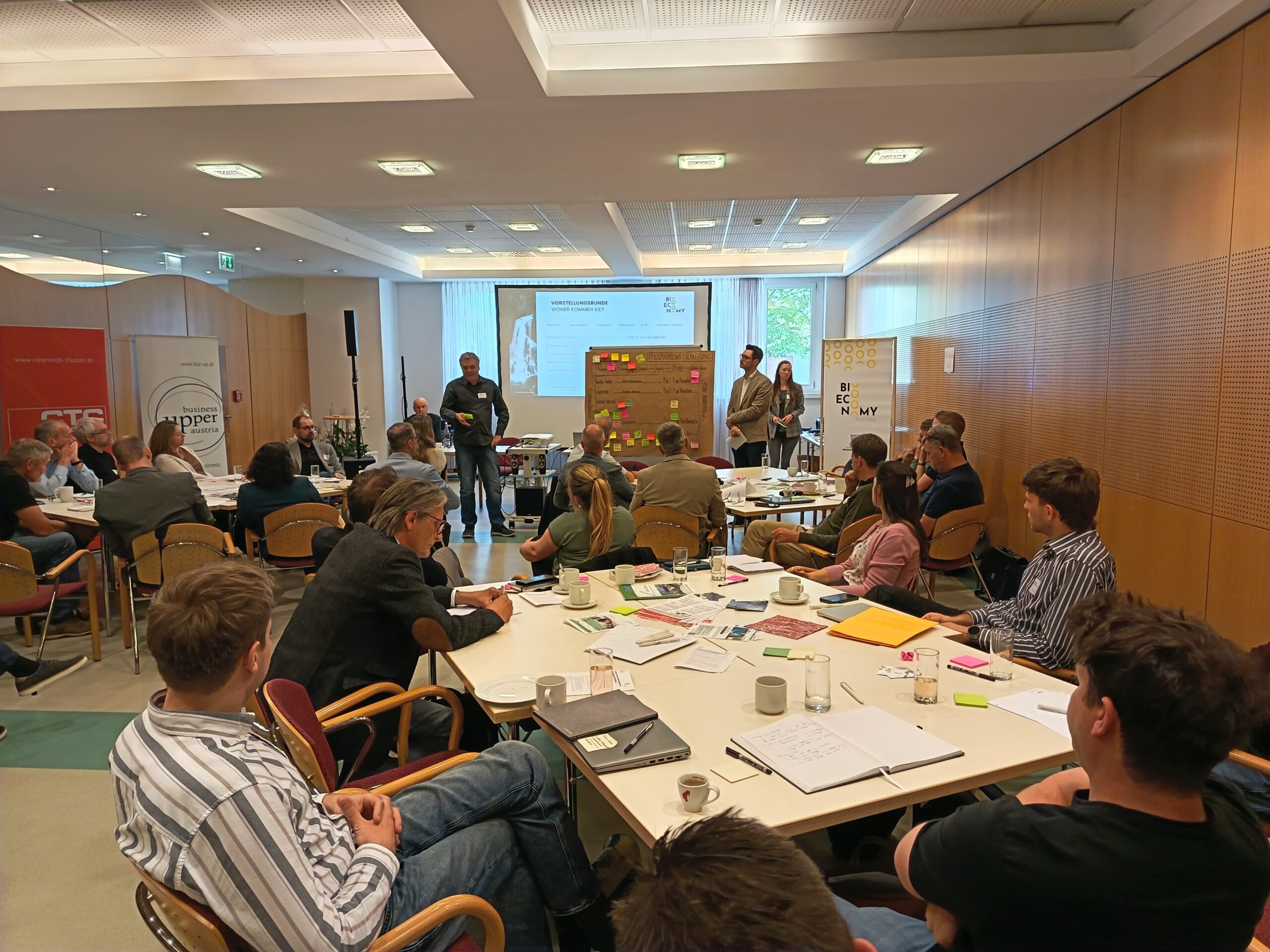
On 28 April 2026, the kick-off event of the Bioeconomy Austria initiative “Phosphorus | Karl & Co” took place at Stadtoase Kolping in Linz. The focus was on a finite and essential raw material that Austria largely imports: phosphorus. At the same time, significant quantities are lost through sewage sludge and ash. Around 50 experts from wastewater management, industry, research, public administration and agriculture discussed how phosphorus can be recovered, what role the new EU Urban Wastewater Treatment Directive plays in this context, and how Austria can organise phosphorus recycling.
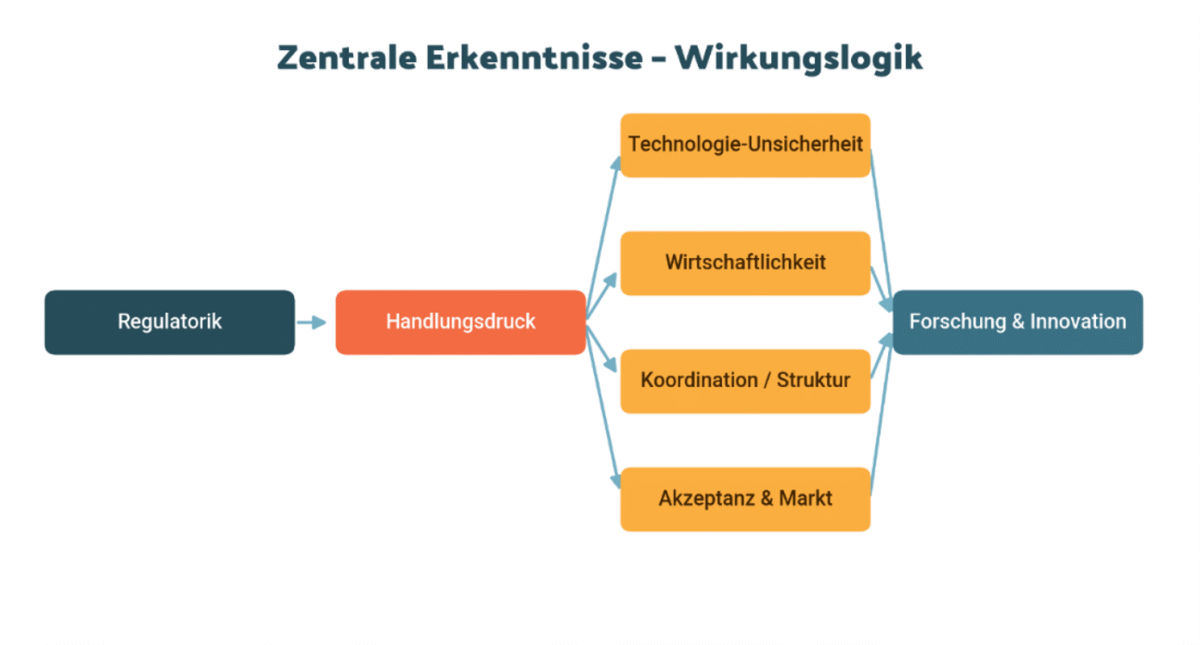
The legal framework is shaped by the new EU Urban Wastewater Treatment Directive, known as KARL, and the Austrian Incineration Ordinance. KARL tightens phosphorus limit values, requires a fourth treatment stage for large wastewater treatment plants, calls for energy neutrality in wastewater treatment and provides for financing through extended producer responsibility. The Incineration Ordinance requires phosphorus recovery for wastewater treatment plants from 20,000 population equivalents upwards. This creates a substantial need for action and research. This is precisely where the four-part event series comes in, implemented under Bioeconomy Austria and led by the Cleantech-Cluster of Business Upper Austria.
Status quo, perspectives from neighbouring countries and research as a bottleneck
The technical programme opened with Dr Rainer Wiedemann of Enviroplus, who placed phosphorus management in the context of the Incineration Ordinance and KARL. He outlined the current situation in Austria and looked at neighbouring countries, where phosphorus recovery is already more advanced. Austria, he noted, is under regulatory pressure but has not yet developed a coordinated response.
Tabea Knickel, Managing Director of the German Phosphorus Platform DPP e.V. in Frankfurt am Main, provided an overview of the current status of phosphorus recovery in Germany. Her contribution focused on sewage sludge, regulatory frameworks and the implementation timeline. Germany has established a recovery obligation through its Sewage Sludge Ordinance and, with the DPP, created a platform that brings together research, plant operators, recyclers and the fertiliser industry.
Univ.-Prof. Dr Jörg Krampe, Head of the Research Centre for Water Quality Management at TU Wien, translated the requirements of KARL into concrete needs for action and research at Austrian wastewater treatment plants. In particular, the fourth treatment stage and the simultaneous requirement for energy neutrality can only be reconciled through targeted research and processes proven at full scale. This requires robust technologies, pilot plants and a coordinated approach.
From knowledge to action: platform, pilot plants and fertilizers
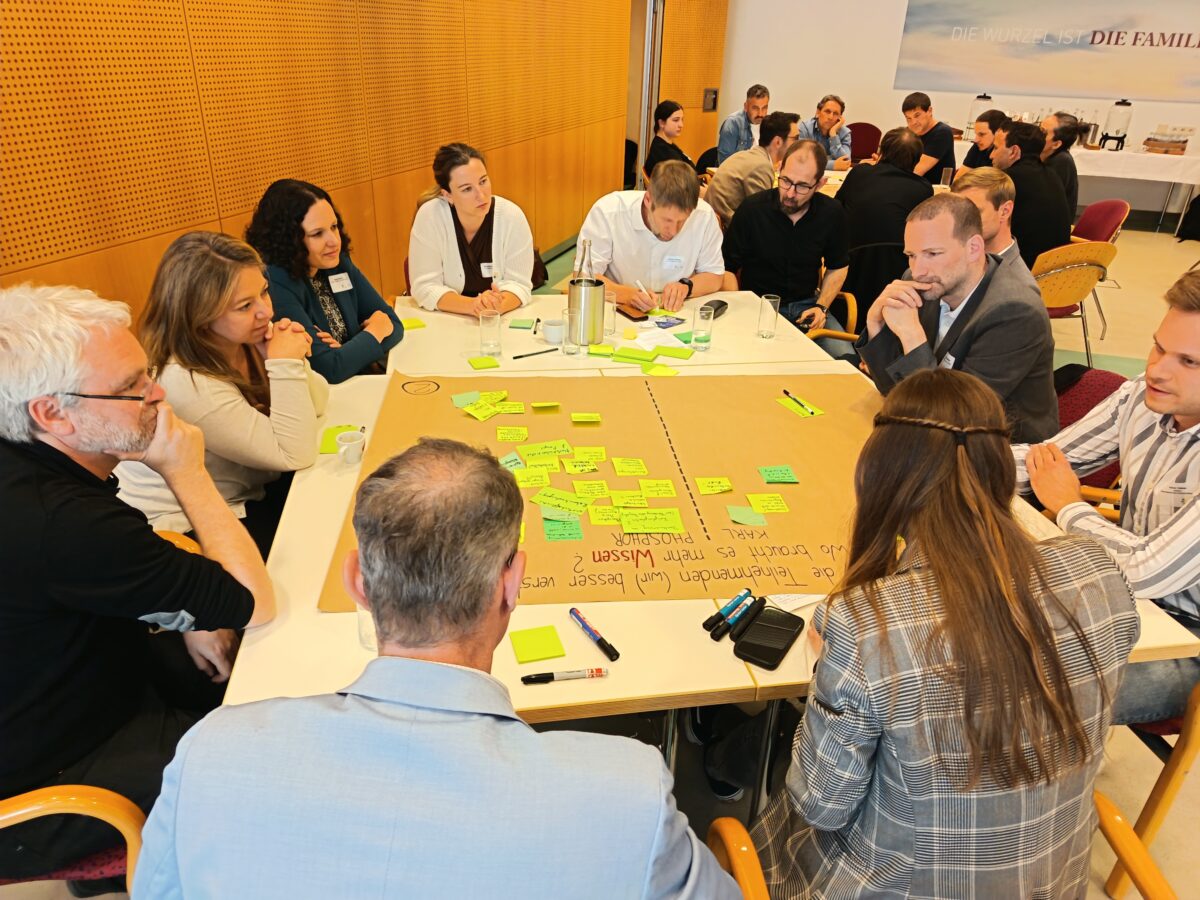
In the afternoon, participants worked in interactive groups to identify where the greatest need for action lies and what the initiative should address first. The clearest vote was in favor of establishing an Austrian phosphorus platform: a neutral body bringing together research, wastewater treatment plant operators, waste management companies, recyclers, the fertilizer industry, agriculture and public authorities. Without coordination, the broad consensus was that scaling up would not succeed.
Closely linked to this was the need to demonstrate technical feasibility at full scale. Participants called for pilot and demonstration plants, reliable operational data and clear feedstock requirements from future users, from recycling companies to the fertilizer industry. Economic viability is another key issue: robust figures are needed along the entire value chain, along with an answer to the question of who bears the costs.
A third strand concerned the final product. Recovered phosphorus will only become marketable if fertilizer legislation supports it, recycled materials are authorized, plant availability is demonstrated and farmers accept the products. This field brings together law, agricultural science and industry and shows that phosphorus recycling can only succeed through an interdisciplinary approach.
Next steps
Three priorities are emerging for the upcoming events: establishing an Austrian phosphorus platform, demonstrating full-scale technical feasibility including economic assessment, and forming a research consortium for the fourth treatment stage. The second workshop in the series will take place on 24 June 2026 at the University of Applied Sciences Upper Austria campus in Wels.